
Mar 03,2026
Understanding Whitening Masterbatch: A Key Component in Plastic Products
Whitening Masterbatch is a concentrated mixture of additives that improves the whiteness and brightness of plastic materials. Typically composed of pigments, fillers, and carriers, it is used primarily in the production of polymer-based products. The importance of achieving a high level of whiteness cannot be overstated, as it influences not only the aesthetic appeal of the final product but also its perceived quality and marketability.
One of the primary components of Whitening Masterbatch is titanium dioxide (TiO2), a powerful white pigment known for its opacity and light-scattering properties. This compound effectively masks underlying colors and imperfections in the plastic, resulting in a more uniform and visually appealing surface. Additionally, the use of Whitening Masterbatch helps in enhancing the durability of the product by protecting against UV degradation and other environmental factors.
The applications of Whitening Masterbatch are vast and varied. It is commonly used in the manufacturing of consumer goods, packaging materials, automotive parts, and construction components. For instance, in the packaging industry, a bright and eye-catching product can significantly influence consumer purchasing decisions. Similarly, in the automotive sector, components that maintain a pristine appearance over time are crucial for brand reputation and consumer satisfaction.
Moreover, the incorporation of Whitening Masterbatch can improve the processing characteristics of plastics. It facilitates better dispersion of pigments within the polymer matrix, leading to a more uniform distribution of color and enhanced processing efficiency. This results in reduced production costs and improved product quality.
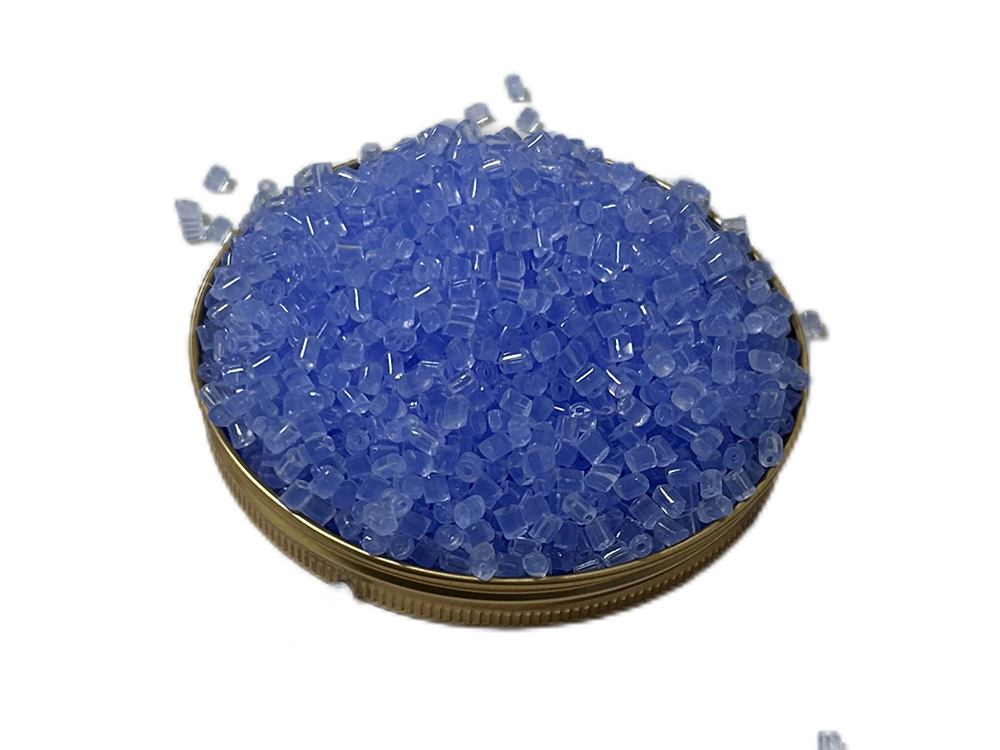
Beyond its functional benefits, Whitening Masterbatch is also aligned with sustainability trends. As manufacturers strive to minimize waste and energy consumption, using masterbatches can enable more efficient processing and reduced material usage. This not only supports compliance with environmental regulations but also appeals to increasingly eco-conscious consumers.
In summary, Whitening Masterbatch is a vital additive in the plastic industry, significantly contributing to product aesthetics, quality, and processing efficiency. Its ability to enhance brightness and provide protective properties makes it an indispensable component across various applications. As the demand for high-quality plastic products continues to grow, understanding the role of Whitening Masterbatch will be crucial for manufacturers aiming to stay competitive in the market.
More News
Jun 28,2025
Unraveling the Mysteries of Plastic Color Masterbatch
Jul 03,2024
What are the classifications of color masterbatch
Jul 28,2022
What is masterbatch? What is the main purpose of color masterbatch
Belief New Material
Address:
OFFICE- Room 401, 4/F, Bldg A1, Digital Tech Park, No.245 Huangcangyu Rd, Xinzhan Dist, Hefei, Anhui,China
FACTORY- Workshop 5, Wanhai Shoushu Intelligent Mfg Park, 100m W of Kexue Ave & Yanguang Rd, Shouxian, Huainan, Anhui, China

Navigation
©2024 Hefei Belief New Material Technology Co.,Ltd. Powered By www.300.cn SEO