
Color masterbatch for film
Product Number: FT016
Concentration :
Customizable
Carrier :
PE
Add Scale :
5-10%
Light Resistance :
Level 8
Heat Resistance :
220-260℃
Migration Resistance :
Level 5
Weight: 1000 (Kg)
Minimum order quantity: 500
Category:
Color Masterbatch
Blown film

Hotline:
+86-551-65659891
Color masterbatch for film
key words:
Product Parameters
Products Description
Color Masterbatch
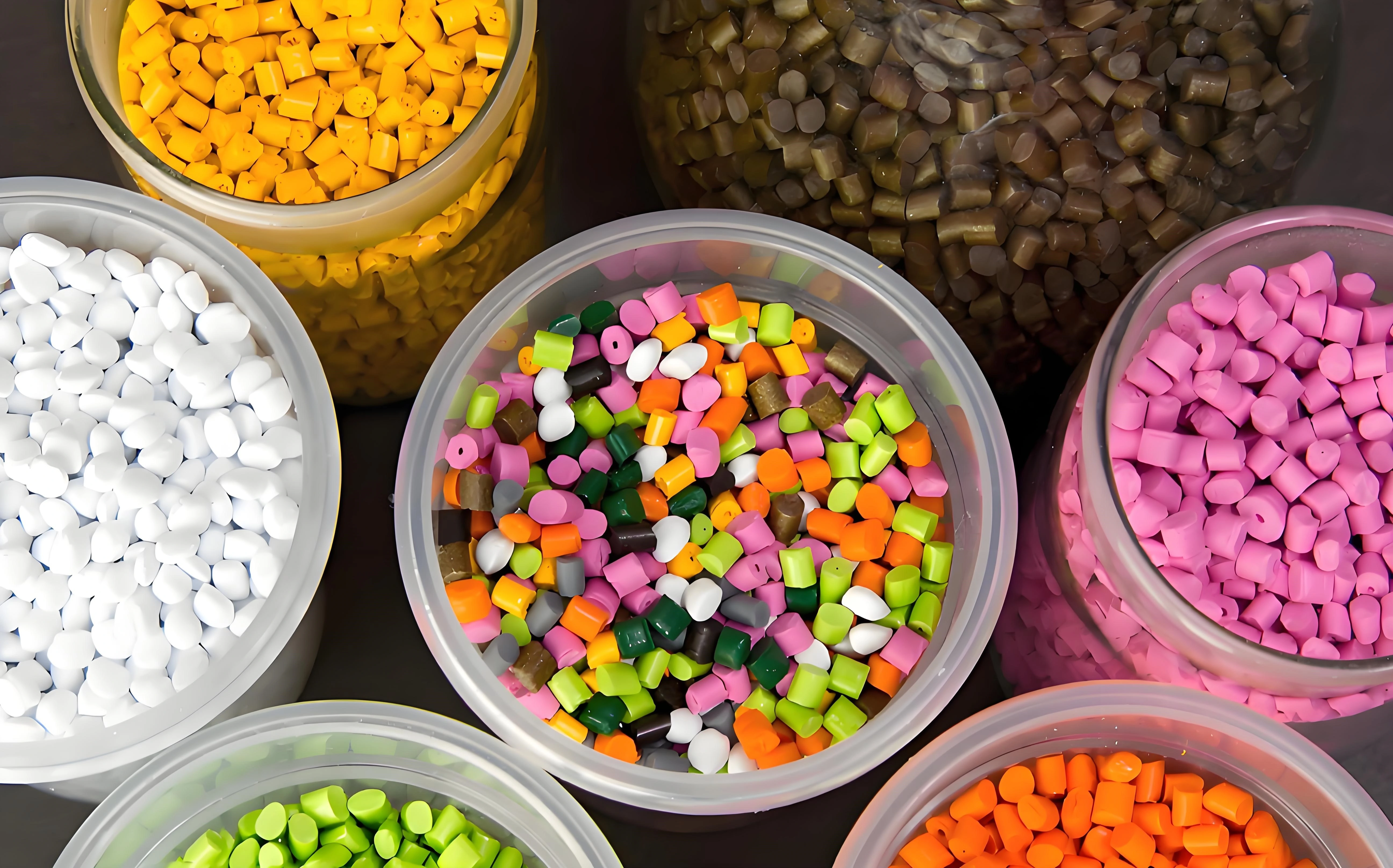
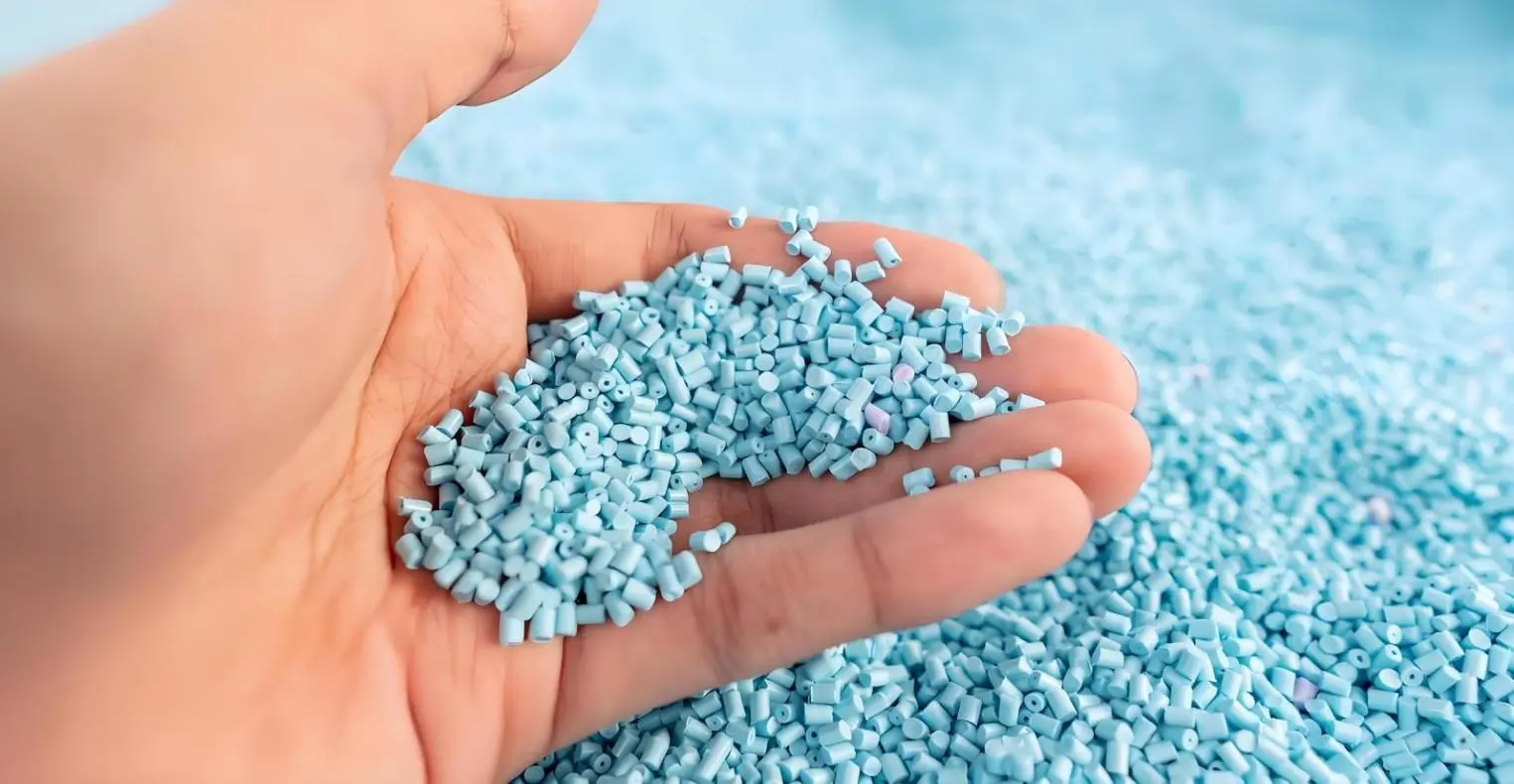
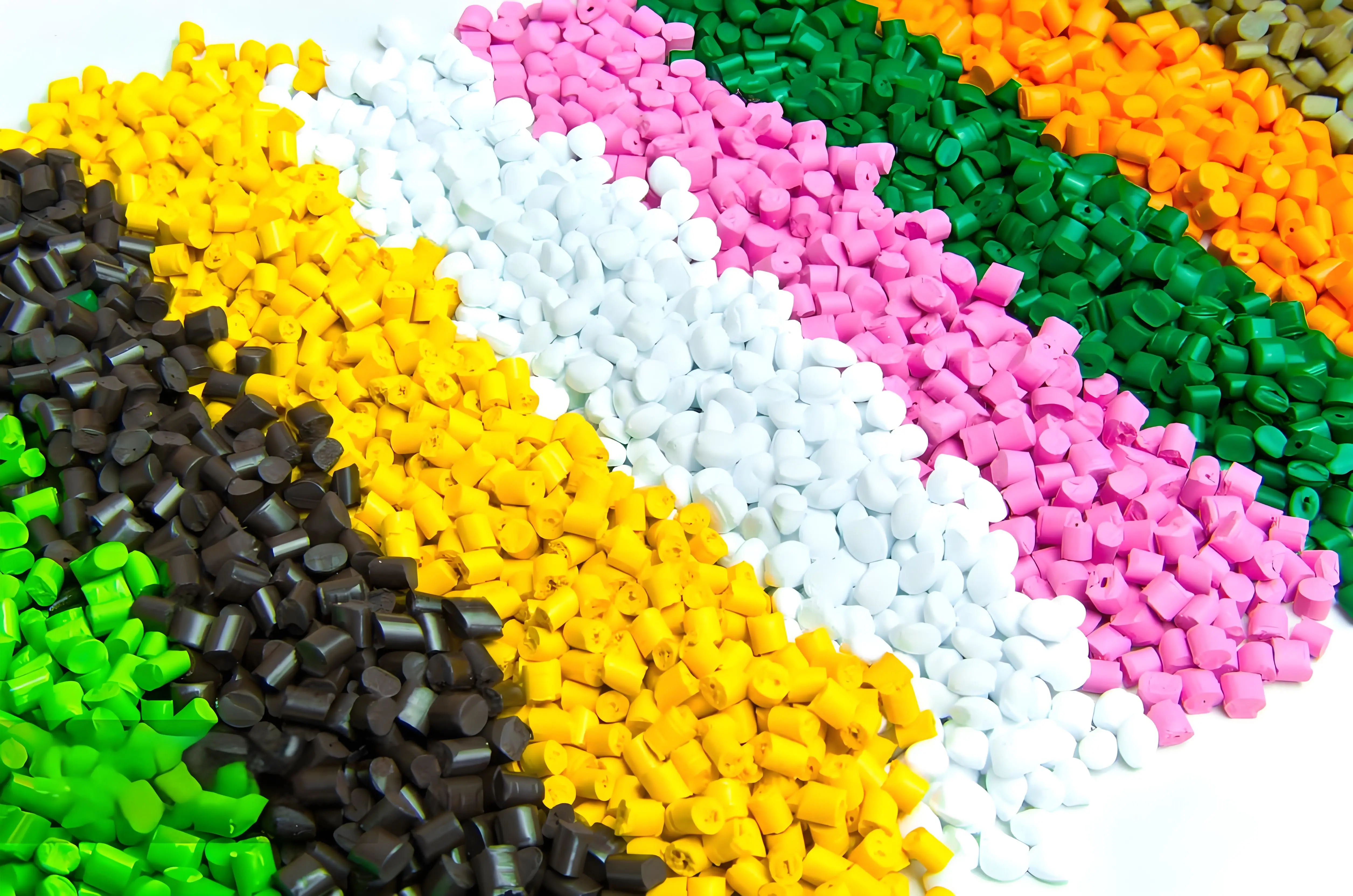
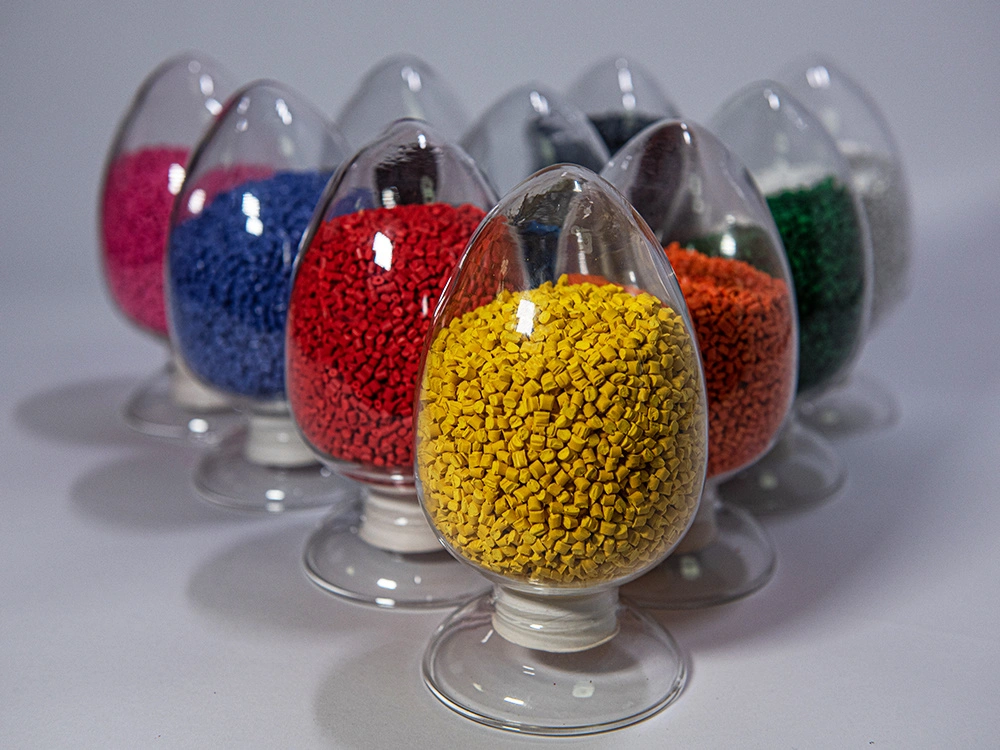
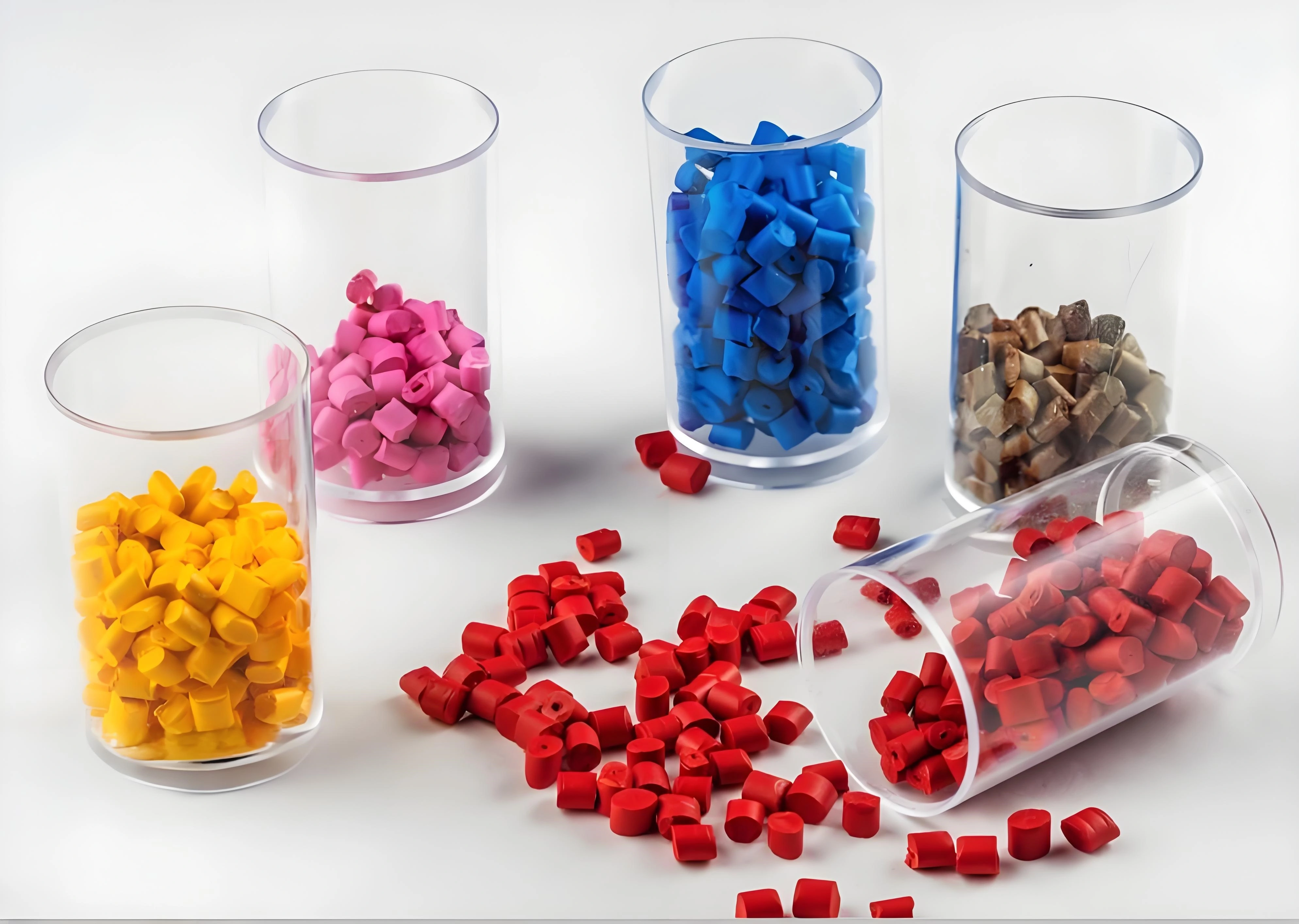
Color masterbatch is a new type of specialized coloring agent for polymer materials. Color masterbatch is composed of three basic elements: pigments or dyes, carriers, and additives. It is an aggregate made by uniformly attaching a super constant amount of pigments to a resin. Can be used for the processing and production of plastic products.
What are the advantages and disadvantages of using different types of resins in color masterbatch?
1. PE (Polyethylene)
Advantages
Low cost, excellent fluidity, easy pigment dispersion.
Wide compatibility, works as universal carrier for most polyolefins.
Low processing temperature, less risk of pigment degradation.
Disadvantages
Poor heat resistance, not for high-temperature molding.
Weak compatibility with engineering plastics (ABS, PC, PA), easy to cause surface defects.
Low hardness, not suitable for rigid high-strength products.
2. PP (Polypropylene)
Advantages
Perfect compatibility with PP substrates; stable color and good surface finish.
Better heat resistance than PE, fits PP’s regular processing temperature.
Good rigidity, retains mechanical properties of PP products.
Disadvantages
Narrow compatibility, poor mixing with PE, ABS and other resins.
Lower fluidity than PE, slightly higher difficulty for pigment dispersion.
Prone to yellowing under long-term high heat.
3. PVC (Polyvinyl Chloride)
Advantages
Ideal match for rigid & flexible PVC; strong bonding, no color migration.
Good weather resistance after adding stabilizers, suitable for outdoor PVC products.
Low shrinkage, stable product size.
Disadvantages
Poor heat resistance; decomposes and releases harmful gas at high temperature.
Must be compounded with heat stabilizers, complex formula.
Cannot be used for non-PVC plastics.
4. ABS
Advantages
High heat resistance, adapts to high-temperature injection molding.
High gloss, great for products requiring smooth & bright surface.
Good compatibility with ABS, PS, maintains impact resistance.
Disadvantages
High material cost.
Poor fluidity, higher demand on processing equipment.
Not compatible with polyolefins (PE/PP).
5. PS (Polystyrene)
Advantages
Low density, good fluidity, easy processing.
Excellent compatibility with PS/EPS foam products, no impact on foaming effect.
Low price, cost-effective for disposable articles.
Disadvantages
Brittle material, reduces toughness of finished parts.
Poor heat resistance, easy to soften at moderate temperature.
Limited application scope.
6. TPU / TPE / TPR (Elastomers)
Advantages
Preserves softness, elasticity and flexibility of elastomer products.
Good wear resistance and cold resistance.
No hard spots on soft-touch parts.
Disadvantages
High cost.
Narrow compatibility, only for elastic plastics.
Easy to absorb moisture, need drying before use.
7. PLA / PBAT (Biodegradable Resins)
Advantages
Fully biodegradable & compostable, meets eco-friendly requirements.
Good compatibility with biodegradable base materials.
Food-safe for disposable tableware and packaging.
Disadvantages
Expensive raw materials.
Sensitive to heat and moisture; strict drying & temperature control required.
Poor heat resistance and toughness.
8. Engineering Plastics (PC, PA, PET)
Advantages
Ultra-high heat resistance, mechanical strength and chemical resistance.
Stable performance for high-end industrial and fiber products.
Disadvantages
Very high cost.
High processing temperature, strict requirements on pigments and additives.
Professional formula and production process needed.
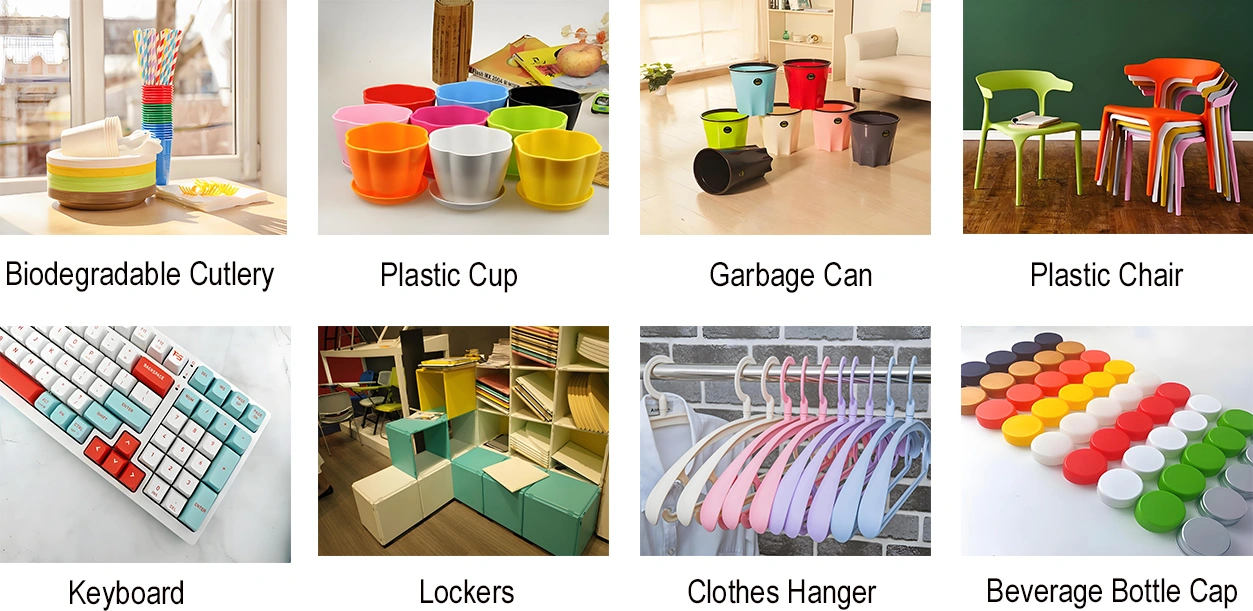
Application
Previous
Plastic Co-extruded Film Blue Color Masterbatch
Get Touch With Us
Please leave your detailed information so that we can reply to you promptly.
Belief New Material
Address:
OFFICE- Room 401, 4/F, Bldg A1, Digital Tech Park, No.245 Huangcangyu Rd, Xinzhan Dist, Hefei, Anhui,China
FACTORY- Workshop 5, Wanhai Shoushu Intelligent Mfg Park, 100m W of Kexue Ave & Yanguang Rd, Shouxian, Huainan, Anhui, China
Navigation
©2024 Hefei Belief New Material Technology Co.,Ltd. Powered By www.300.cn SEO